
 LinkedIn for the latest in payment innovation ›

Holiday Retail Success Starts with Resilient Payment Systems
Retailers can protect revenue, reduce disruptions, and deliver a reliable checkout experience during the busiest shopping season of the year.
November 2026 · 9 min read
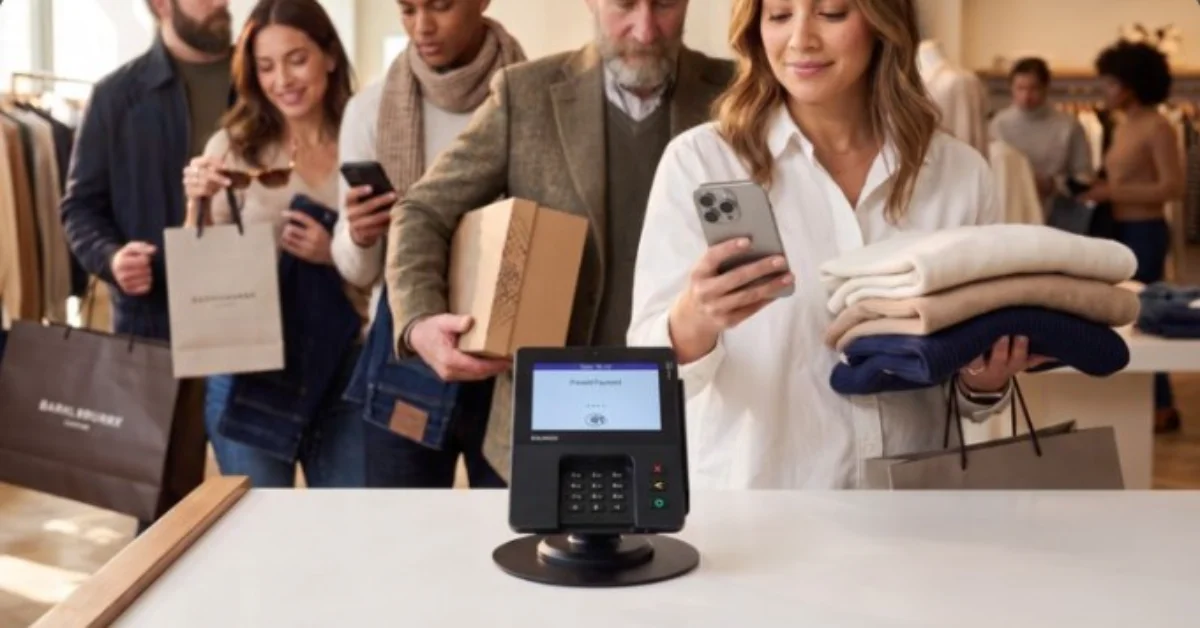
The holiday rush is just around the corner. It’s the biggest sales opportunity of the year for U.S. retailers, and the moment their payment systems are pushed hardest.
In 2025, U.S. consumers spent a record $257.8 billion online during the holiday season, according to Adobe Analytics. Black Friday alone generated $11.8 billion in sales, a 9.1% increase over the previous year.
Behind those numbers are millions of transactions happening within a compressed period. Shoppers are moving through crowded stores, placing online orders, using self-checkout, and expecting every payment to work the first time.
For retailers, the stakes are high. A payment terminal that stops working, a network interruption, or a slow checkout can turn a ready-to-buy customer into a missed sale.
And the impact extends beyond the transaction. Payment disruptions can affect store operations, customer satisfaction, and ultimately, brand loyalty.
As retailers prepare for another busy holiday season, payment resilience is no longer just a technology and IT consideration. It’s an important part of protecting revenue and delivering a dependable shopping experience.
1. Peak Shopping Demand Puts Every Payment to the Test
Holiday shopping is no longer limited to a few major sales days. Promotional events begin earlier, online shopping continues to grow, and consumers move between physical and digital channels throughout the season.
Yet Black Friday and Cyber Monday remain important tests of retail infrastructure.
According to the National Retail Federation (NRF), U.S. holiday retail sales reached $972 billion in 2025, growing 3.1% year over year across physical stores and online channels. Looking ahead, NRF forecasts holiday sales to surpass $1 trillion in 2026, reflecting continued consumer spending momentum.
Physical stores remain central to the holiday shopping experience. Mastercard SpendingPulse reported that in-store retail sales grew 2.9% during the 2025 holiday season, while online sales increased 7.4%, highlighting the importance of delivering seamless shopping and payment experiences across channels.
For retailers, these numbers represent enormous opportunities, but also greater pressure on checkout operations. Whether it’s a crowded store on Black Friday or a surge in online orders, reliable payment infrastructure is essential to keeping transactions moving and protecting revenue.
This concentration of demand creates a challenge: payment systems must process higher transaction volumes without compromising performance.
A busy retail store on a Black Friday afternoon can quickly turn into chaos. Checkout lines are growing, associates are trying to serve customers quickly, and one payment terminal begins experiencing intermittent connectivity problems.
Even a minor disruption can slow the entire checkout process. Imagine that across dozens or hundreds of store locations, and the potential revenue impact becomes significant.
Resilient payment systems are designed to reduce transaction interruptions, support consistent performance, and help retailers maintain checkout availability when demand peaks.
2. Reliable Payment Infrastructure Helps Prevent Costly Downtime
For retailers, downtime is more than a technology problem. It’s an operational disruption that can affect sales, employee productivity, and customer experience.
Payment terminals, network connections, payment applications, processing hosts, and store systems must work together to complete a transaction. And payment reliability depends on several interconnected components.
When one component experiences a problem, the impact can extend to the entire payment environment.
This is particularly challenging for enterprise retailers, where managing a large and mixed payment estate adds another layer of complexity. For example, identifying an unstable payment terminal before it fails completely gives store operations teams an opportunity to address the issue without waiting for checkout to be disrupted.
Without centralized visibility, identifying a failing terminal or diagnosing a connectivity issue can take valuable time.
Resilience also means having appropriate recovery and backup procedures in place.
How do you know which devices are experiencing problems? Can you identify connectivity issues before they disrupt checkout? How quickly can software updates or configuration changes be deployed across multiple locations?
This is where centralized payment device management becomes valuable.
Rather than relying solely on employees to report problems, payment operations teams can gain greater, ongoing visibility into device conditions across locations.
Combined with dependable payment hardware and established recovery procedures, these capabilities help retailers move toward a more proactive approach to payment operations.
3. Holiday Fraud Threats Make Payment Security Essential
The increase in holiday shopping activity doesn’t just attract customers; it attracts fraudsters too.
Fraud can affect far more than a single transaction. Chargebacks, operational investigations, financial losses, and diminished customer confidence can all impact business performance.
While this represented a decline from the previous year, it illustrates the scale of the challenge facing retailers during peak shopping periods.
Fraud risks can emerge across multiple points of the payment journey, from card-not-present transactions online to physical threats such as card skimming, device tampering, and terminal substitution in stores.
For retailers, the consequences can extend beyond direct financial losses. Fraud incidents may damage their brand reputation and customer confidence.
Payment security therefore needs to be built into the infrastructure rather than treated as an additional layer during the holiday season.
EMV technology, encryption, PCI-certified payment devices, and physical tamper-detection capabilities can help protect in-store payment environments.
Equally important is the ability to identify potential threats and respond quickly across a distributed payment estate.
A secure payment experience helps customers complete purchases with confidence while reducing the risk of fraud-related disruption.
4. Frictionless Checkout Can Make the Difference Between a Sale and an Abandoned Purchase
Holiday shoppers don’t stay in one lane. They browse on a phone, check online and buy in the store, or the reverse.
Retailers invest considerable resources in bringing shoppers to the point of purchase. But the final few steps of the shopping journey can determine whether that investment converts into revenue.
According to a 2025 study by Coresight Research and Diebold Nixdorf, 29% of surveyed U.S. consumers who had left a physical store without making a purchase cited long checkout lines as a reason. This highlights how checkout delays can translate into missed sales opportunities.
Customers want to complete purchases quickly, whether they’re paying at a traditional checkout counter, using self-checkout, or interacting with an associate elsewhere in the store.
Slow transactions, unresponsive devices, or inconsistent payment experiences can create frustration, particularly during busy shopping periods.
As retailers expand their checkout environments, payment technology must be flexible enough to support different customer journeys while maintaining consistent performance and security.
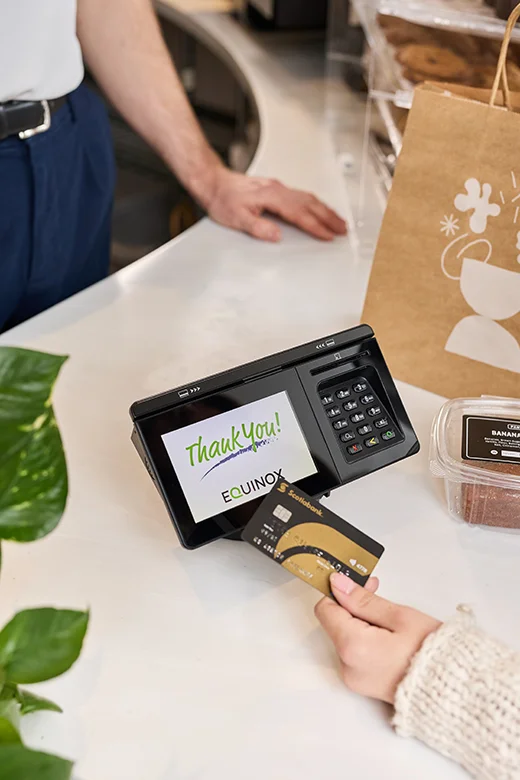
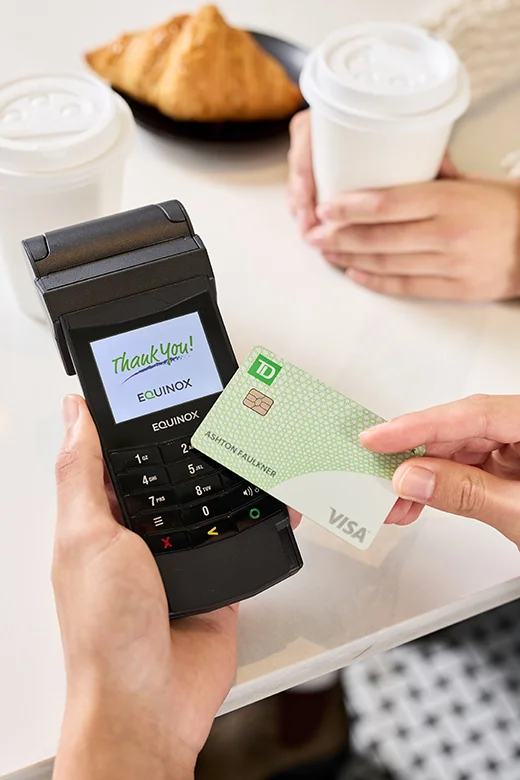
One consistent payment experience, from the countertop to the handheld.
For retailers and their technology partners, this flexibility can help simplify payment integrations and reduce the need to maintain separate payment applications for different supported devices.
5. Turn Holiday Transactions into Opportunities for Retail Operations
Holiday payment activity can provide valuable signals about customer demand, store performance, and shopping behavior.
When payment information is combined with POS, inventory, and customer engagement data, retailers can uncover opportunities to improve operations and strengthen customer relationships.
Here are three areas where those insights can make a difference.
Understand Holiday Sales Trends
Every holiday season brings shifts in how, when, and where customers shop.
Some locations may experience their highest transaction volumes during Black Friday promotions. Others may see stronger activity on December weekends or during the final days before Christmas.
Analyzing transaction patterns alongside POS sales reporting can help retailers understand these differences.
For example, identifying the busiest checkout periods can inform decisions about lane availability, payment device deployment, and store operations.
Retailers can also compare transaction performance across locations to identify unusual declines, checkout bottlenecks, or differences in payment behavior.
The value lies in moving beyond total sales figures to understand the operational patterns behind them.
Align Inventory and Staffing with Demand
Holiday success depends on having the right products available and enough employees to serve customers when demand peaks.
Historical transaction volumes can help retailers anticipate checkout activity and plan staffing accordingly.
When combined with item-level POS and inventory data, these insights can also support merchandising and replenishment decisions.
Make Promotions and Loyalty Part of the Checkout Experience
The holiday season isn’t just about attracting customers. It’s an opportunity to encourage them to return.
Targeted promotions, loyalty rewards, and gift cards can help retailers strengthen relationships with shoppers and create additional revenue opportunities beyond the initial purchase.
But these experiences need to be easy to use. If a customer has to navigate additional steps to redeem an offer or earn rewards, the promotion can become a source of checkout friction rather than an incentive to purchase.
This is where payment integration matters.
Equinox Voyager can form part of a connected POS and payment environment, allowing retailers and their technology partners to support compatible value-added checkout experiences through the broader retail application.
Loyalty enrollment, promotional rules, customer insights, and reward redemption remain functions of the retailer’s POS, loyalty, and commerce systems. A well-integrated payment experience helps ensure these activities don’t unnecessarily interrupt the transaction.
Together, connected retail applications and dependable payment technology can help retailers make checkout an opportunity for customer engagement, not simply the final step of a sale.
6. Responsive Support Helps Keep Business Moving When It Matters Most
No business, and no payment environment, is completely immune to technical issues.
What separates a minor interruption from a major operational problem is often how quickly it can be identified and resolved.
During the holiday season, retailers operate under tighter timelines. Store teams are busy, transaction volumes are elevated, and delays can have immediate consequences.
A payment terminal that fails during a peak shopping period needs more than a support ticket. It needs a clear path to resolution.
This makes responsive technical support and effective device management essential components of payment resilience.
Centralized monitoring can help support teams identify problems remotely. Remote updates and diagnostics can reduce the need for certain on-site interventions, while established repair and replacement processes help retailers restore operations when hardware requires attention.
Payment Resilience Is a Retail Growth Strategy
Holiday success depends on the ability to deliver on the promise of a great shopping experience, right through the final moment of payment.
Together, these strategies, with the right partner, help retailers protect revenue, maintain operational continuity, and create positive customer experiences during the holiday season and beyond.
Because every successful payment is more than a completed transaction. It’s an opportunity to strengthen customer trust and keep business growing.